






Fortune Green bulky rubbish pickup and disposal NW6
Posted on 14/06/2026
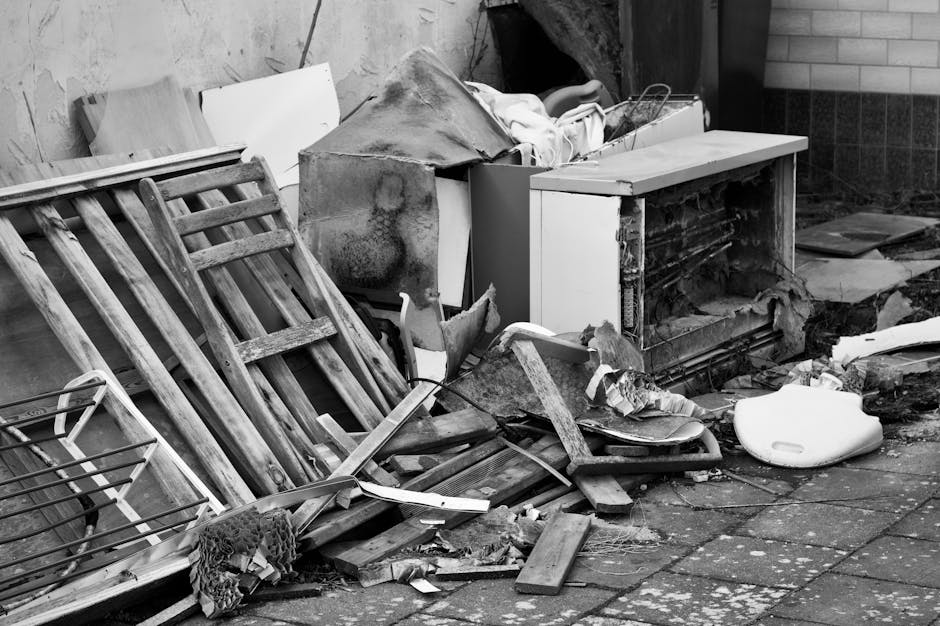
Fortune Green bulky rubbish pickup and disposal NW6: a practical local guide
If you are dealing with a sofa that will not fit through the hall, a broken wardrobe taking up half the bedroom, or a pile of old appliances you keep stepping around, Fortune Green bulky rubbish pickup and disposal NW6 can feel like a small miracle. It is not just about getting rid of "stuff". It is about clearing space safely, quickly, and without turning your week upside down. In a neighbourhood where flats, terraces, and shared entrances can make moving heavy items awkward, the right pickup and disposal service saves time, stress, and a fair bit of backache.
This guide explains how bulky rubbish removal works in Fortune Green, what kinds of items are usually collected, what to check before booking, and how to avoid the common mistakes that make a simple job more complicated than it needs to be. You will also find a checklist, a comparison of disposal options, and a few grounded tips from the sort of situations people run into all the time. Let's face it, nobody wants to spend a Saturday wrestling a mattress down a narrow stairwell.
Why Fortune Green bulky rubbish pickup and disposal NW6 matters
Bulky rubbish is different from everyday household waste. It is larger, heavier, often awkwardly shaped, and usually needs more thought than a standard bin collection. A broken chest of drawers, an old sofa, piles of flooring offcuts, or a tired desk from a home office all create the same problem: they occupy space that you need back now, not next month.
In Fortune Green, that matters even more because homes are often compact and access can be tight. Shared staircases, limited on-street parking, and narrow front paths can make do-it-yourself disposal surprisingly difficult. Add in the reality that a bulky item may not belong in regular household bins, and suddenly a "quick tidy" becomes an all-day project.
There is also the practical side of responsibility. Bulky waste is not just about moving an item from A to B. It is about getting it sorted, loaded, transported, and disposed of appropriately. For many residents, the appeal of a local bulky rubbish pickup service is simple: less lifting, less hassle, and less uncertainty. If you want a broader sense of what the company covers, the services overview is a useful place to start.
And yes, the rubbish seems to multiply when you are not looking. A flat clearance that starts with one sofa somehow ends with broken shelving, a cracked mirror, and three bags of "we'll deal with that later". Funny how that happens.
Done well, bulky rubbish disposal also supports cleaner shared spaces, safer hallways, and a more manageable home environment. That is especially useful for tenants moving out, landlords preparing a property, or homeowners tackling a long-overdue reset.
How Fortune Green bulky rubbish pickup and disposal NW6 works
The process is usually straightforward, but the details matter. A good pickup service should be able to handle collection, lifting, loading, transport, and disposal in one visit, provided the waste is described clearly beforehand.
Typical process
- Describe the items - list the bulky waste you want removed, including approximate size, quantity, and whether anything is unusually heavy or awkward.
- Confirm access - mention stairs, basement storage, parking restrictions, loading access, or if the items are in a back garden or shed.
- Agree the collection plan - decide whether the items need to be carried from inside the property, left at the kerb, or gathered from multiple rooms.
- Collection day - the team arrives, assesses the load, removes the items, and tidies the immediate area once the bulky rubbish is out.
- Sorting and disposal - reusable or recyclable materials are separated where possible, and the waste is taken to the appropriate facility.
That sounds simple, and often it is. Still, a missed detail can change everything. A wardrobe that looked "medium sized" in the doorway can suddenly become a two-person lift on a landing with a sharp turn. It happens more than people expect.
What counts as bulky rubbish?
Bulky rubbish usually means items that are too large, too heavy, or too awkward for normal waste collection. Common examples include:
- sofas, armchairs, and sofa beds
- mattresses and bed frames
- wardrobes, cabinets, and shelving
- dining tables and chairs
- white goods such as fridges, freezers, washing machines, and cookers
- office furniture, desks, and filing cabinets
- large toys, exercise equipment, and garden items
- builders' leftovers such as timber, plasterboard, and old fittings, where accepted
If you are unsure whether something is classed as bulky waste, it is better to describe it plainly rather than guess. A brief photo often helps, especially if the item is damaged or partly dismantled. For jobs that overlap with renovation or strip-out work, builders waste disposal in West Hampstead may be the more suitable route.
How disposal is handled
Reputable operators do not just dump mixed rubbish and hope for the best. Items should be sorted where practical, with recyclable materials separated from general waste. For example, metal furniture components, clean wood, and some appliance parts may be handled differently from mixed household clutter. If sustainability matters to you - and it should - take a look at the site's approach to recycling and sustainability.
Key benefits and practical advantages
The main benefit is obvious: bulky rubbish disappears. But the real value goes deeper than that. You get your space back, avoid risky lifting, and reduce the chance of items lingering in hallways or storage areas for weeks.
- Time saving: no hiring a vehicle, no repeated tip runs, no endless carrying back and forth.
- Safety: heavy items are removed by people used to handling awkward loads, which helps reduce strain and accidents.
- Convenience: one planned collection is easier than piecing together several disposal attempts.
- Cleaner spaces: removing bulky waste can instantly improve the feel of a room or property.
- Better planning: a professional pickup helps you clear space before moving, decorating, or listing a property.
- Responsible disposal: items are handled with sorting and recycling in mind, where possible.
There is also a quieter benefit that people often overlook: momentum. Once the bulky waste is gone, the rest of the room feels easier. The pile you had been avoiding for months suddenly stops dominating your headspace. Small thing, maybe, but it helps.
If you are comparing waste options, the broader waste clearance service in West Hampstead can be useful when your job is bigger than a single sofa or mattress.
Who this is for and when it makes sense
Fortune Green bulky rubbish pickup and disposal NW6 is useful for a wide range of people. It is not only for people moving house. In fact, some of the most common calls come from everyday situations that build up over time.
Typical users
- Homeowners replacing furniture or clearing a room before decorating
- Tenants leaving a property and needing to remove leftover items quickly
- Landlords preparing a flat between occupiers
- Letting agents managing urgent turnaround work
- Small businesses clearing old office furniture or stockroom clutter
- Property managers dealing with communal or end-of-tenancy waste
- People handling a bereavement or family clear-out who need a respectful, practical service
It also makes sense when access is awkward. If you live in a top-floor flat and the item is large, heavy, or simply too bulky to shift safely on your own, paying for pickup is often cheaper than the hidden cost of injury, damage, or a failed attempt. That is the honest answer.
For larger domestic clearances, house clearance in West Hampstead may be the better fit. For work premises, office clearance in West Hampstead is worth considering if desks, chairs, or filing furniture are part of the load.
Step-by-step guidance
If you want the cleanest, least stressful outcome, a little preparation goes a long way. This is the part that turns a decent pickup into a smooth one.
1) Identify every bulky item
Walk through the property and note each piece that needs to go. Check cupboards, loft storage, sheds, basements, and corners you may have forgotten about. It is easy to underestimate how much is actually there.
2) Separate what stays from what goes
Before collection, move any items you want to keep away from the bulky waste. If two wardrobes look identical in a rushed hallway, trouble tends to follow. Simple labels help.
3) Check access routes
Measure doorways, stair turns, and tight hall spaces if the items are especially large. If the load is being collected from inside, make sure the path is clear. A few minutes spent removing shoes, plant pots, or random hallway clutter can save a lot of grumbling later.
4) Tell the provider about hazards
Mention broken glass, protruding nails, splintered wood, or anything damp, mouldy, or contaminated. This is not about being fussy. It helps the team bring the right approach and plan for safe handling.
5) Ask about sorting and disposal
It is fair to ask whether the waste will be recycled where possible, and whether appliances or mixed materials need to be separated. Good operators should be able to explain the process clearly without jargon.
6) Prepare the collection point
If you are leaving items outside, ensure they are placed where they can be loaded safely and do not obstruct neighbours. If the items are indoors, keep the route open and unlock any side gates or communal doors in advance.
7) Confirm the final arrangement before removal starts
A quick check at the beginning helps avoid confusion about what is included. It is a small step, but a useful one.
Practical summary: the smoother the access and the clearer the item list, the more efficient bulky rubbish pickup tends to be. Most problems come from missing information, not from the waste itself.
Expert tips for better results
A few small decisions can make bulky rubbish disposal noticeably easier. None of this is glamorous, but it works.
- Disassemble where sensible: removing table legs or breaking down flat-pack furniture can save space and speed up loading.
- Group similar materials: wood with wood, metal with metal, fabric items together. It helps with handling and sorting.
- Be honest about weight: "heavy" means something different to everyone. If an item needs two people, say so.
- Choose the right day: if parking is easier at a certain time, plan around it. A quieter street can make a big difference.
- Keep appliances unplugged and emptied: especially fridges, freezers, and washing machines. Dry and safe is best.
- Take photos of awkward items: useful for confirming what you have, especially if you are not on-site when the quote is arranged.
One more thing: if your bulky waste is linked to recent decorating or repair work, mention that early. It may affect how the load is treated, and it helps the team arrive prepared. Simple enough.
If you want to understand the wider local service picture, the rubbish removal service in West Hampstead is a helpful reference point for mixed jobs that are not strictly one-category collections.
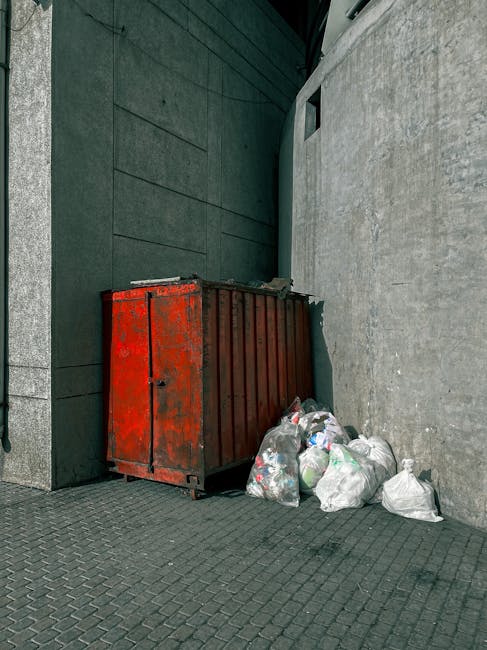
Common mistakes to avoid
Most bulky rubbish jobs go smoothly, but a few avoidable mistakes can slow things down or create extra costs.
- Underestimating volume: what looks like one load can become several once items are gathered from different rooms.
- Forgetting access issues: parking restrictions, shared entrances, or a narrow staircase can affect the collection plan.
- Leaving items mixed together: keeping recyclables, general waste, and reusable goods tangled together can complicate sorting.
- Not checking item restrictions: some things need special handling, especially hazardous materials or certain electricals.
- Waiting until the last minute: urgent bookings are possible, but late planning usually adds pressure.
- Assuming every "bulky" item is the same: a dismantled wardrobe is very different from a heavy three-seater sofa with no easy grip points. Different beast entirely.
There is also a personal mistake that crops up often: trying to do too much alone. A lot of people are game until the item reaches the stair landing, then reality arrives. No shame in that.
Tools, resources and recommendations
You do not need specialist equipment for most bulky waste jobs, but a few simple tools make life easier.
- Measuring tape: useful for checking whether furniture will fit through doors or down corridors.
- Marker labels or tape: good for identifying what stays and what goes.
- Gloves: sensible if you are moving small items or sharp-edged pieces.
- Bag ties or straps: handy for bundling cables, cushions, or broken shelving.
- Basic screwdriver or hex key: useful for dismantling flat-pack units or bed frames.
- Phone camera: perhaps the most useful tool of all, to be fair. Quick photos save a lot of explanation.
For payment reassurance, it helps to review the company's approach to payment and security. If you are comparing quotes, see the information on pricing and quotes so you know what to ask before you confirm anything.
It is also sensible to understand the business itself. Reading the about us page can help you judge whether the service feels transparent and local enough for your needs. That sounds minor, but trust matters when someone is coming into your property to move large items around.
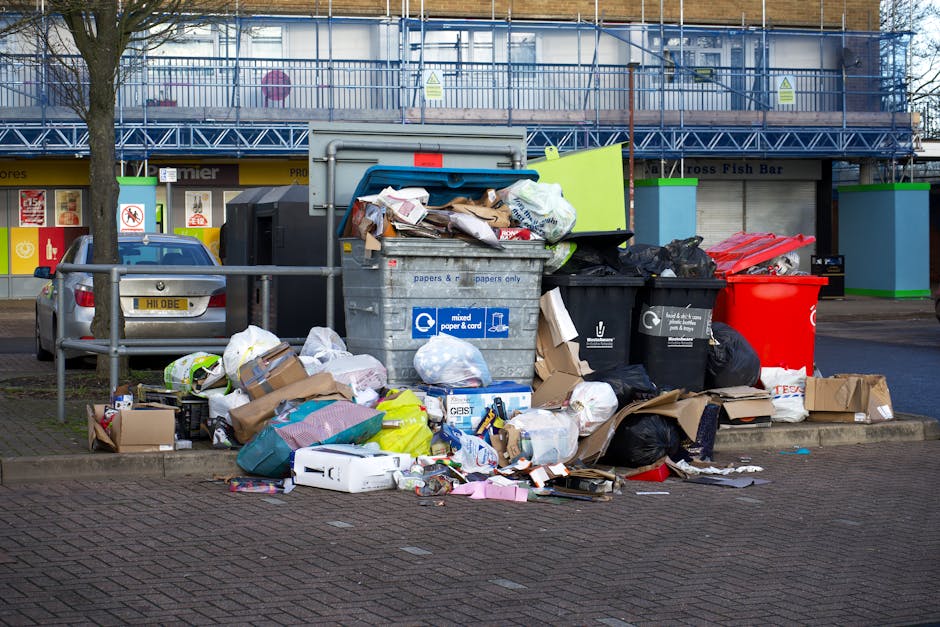
Law, compliance, standards, or best practice
For bulky rubbish pickup and disposal in NW6, best practice is mostly about safe handling, correct disposal, and using a responsible provider. In the UK, householders and businesses should be careful not to hand waste to anyone who cannot clearly explain where it goes or how it is managed.
For residents, the key takeaway is simple: do not leave waste in a way that causes obstruction, nuisance, or risk to neighbours. For businesses, there is usually a stronger expectation to keep records and use proper waste handling arrangements. If a clearance involves commercial premises, it is worth being especially organised.
Safety should never be assumed. Heavy lifting, sharp edges, broken glass, mould, damp upholstery, and old electrical items all need common sense. If a collection involves awkward stairs or bulky items that could snag, it is better to flag that early rather than hope for the best.
The site's insurance and safety information is relevant here, because it gives you a clearer sense of how risk and responsibility are handled. That matters more than people think, especially in shared buildings.
For anyone with mixed waste streams - say, old furniture, some renovation debris, and a bit of garden cut-back - the service should align the work to the right type of clearance rather than forcing everything into one vague pile. It is a small distinction, but a useful one.
Options, methods, or comparison table
There are a few different ways to deal with bulky rubbish in Fortune Green. The best choice depends on quantity, access, urgency, and whether you want the lifting done for you.
| Option | Best for | Pros | Trade-offs |
|---|---|---|---|
| Professional bulky pickup | Large, heavy, or awkward items | Fast, convenient, lifting included, safer for heavy loads | Requires booking and clear item description |
| Self-removal | Small loads and easy access | Can feel cheaper if you already have transport | Time-consuming, heavy lifting, parking and tipping logistics |
| Mixed waste clearance | Several item types at once | Good for clutter, household clear-outs, and one-off projects | May need more careful sorting beforehand |
| Targeted service for renovation or garden waste | Specific waste streams | More appropriate for certain materials, often more efficient | Less suitable if your load is mainly furniture or general bulky items |
If your job includes branches, hedge cuttings, or outdoor clutter as well as large household waste, garden waste removal in West Hampstead may fit better than a general bulky pickup. And if the issue is simply a broad mix of things in one property, the overall services overview can help you match the job to the right service type.
Case study or real-world example
A typical Fortune Green scenario goes like this. Someone is preparing a two-bedroom flat for a move and discovers a broken bed base, an old bookcase, a dining chair set that no longer matches, and a mattress that has been in storage for longer than anyone wants to admit. The flat is on an upper floor, the stairs bend awkwardly at the landing, and there is limited parking outside.
At first glance, it feels like a full weekend job. In practice, once the items are listed clearly and access is explained, the pickup becomes manageable. The team knows what to bring, where to park, and which pieces need dismantling. The result is a quick removal that clears the hallway, opens up the rooms, and takes a lot of the pressure out of moving day.
That sort of situation is exactly why Fortune Green bulky rubbish pickup and disposal NW6 is so useful. It is not dramatic. It is just practical. But practical is what people need when they are staring at a room full of bulky clutter and wondering where to start. By the time the collection is finished, the room feels different. Quieter, somehow.
Practical checklist
Use this checklist before booking a pickup. It keeps the process tidy and reduces the chance of last-minute surprises.
- Identify every bulky item you want removed.
- Check whether any item is especially heavy, fragile, or awkward.
- Measure key access points if items need to come from inside the property.
- Remove anything you want to keep from the collection area.
- Separate furniture, appliances, garden waste, and builder-style debris where possible.
- Take photos of the main items if you want to explain the job clearly.
- Confirm where the items will be collected from.
- Ask about recycling and disposal handling.
- Check that parking or access arrangements are realistic on the day.
- Review pricing and payment details before confirming.
If the job looks more involved than you expected, that is normal. People underestimate bulky waste all the time. Better to over-prepare a little than to rush and regret it later.
Conclusion
Fortune Green bulky rubbish pickup and disposal NW6 is really about making a difficult job feel simple. Once you break it down, the process is straightforward: describe the items clearly, check access, choose the right service, and let the collection team handle the lifting and disposal. That approach saves time, reduces risk, and gets your home or property back into usable shape faster than trying to do it all yourself.
The best results usually come from a bit of honest preparation. Know what you have, know what needs to stay, and ask sensible questions before the booking is confirmed. Nothing fancy. Just a proper plan.
Get a free quote today and see how much you can save.
And if you are the sort of person who puts off a clutter clear-out until the room starts to feel smaller than it is, you are not alone. The good news is that bulky rubbish does not have to stay there forever. Sometimes the first step is the hardest one, and then it all starts moving.


 Tipper Van - Waste Clearance and Rubbish Removal Prices in West Hampstead, NW6
  Luton Van - Waste Clearance and Rubbish Removal Prices in West Hampstead, NW6